
Bracing for wind season
Pool Cage Reinforcement in Jacksonville, FL
Strengthen an existing pool cage's frame, anchors, and bracing without a full rebuild.
A pool cage carries more exposure to wind than most other structures on the property, since it is tall, mostly open mesh, and often sits close to the water. When a pool cage starts to feel less solid than it used to, panels bowing, a roof beam that flexes, anchors that have loosened at the base, reinforcement is usually the right first step before considering a full rebuild.
Pool cage reinforcement is targeted structural work: adding bracing, upgrading anchors, and replacing worn fasteners at the specific points where the frame has weakened, rather than tearing down and rebuilding a structure that is otherwise sound.
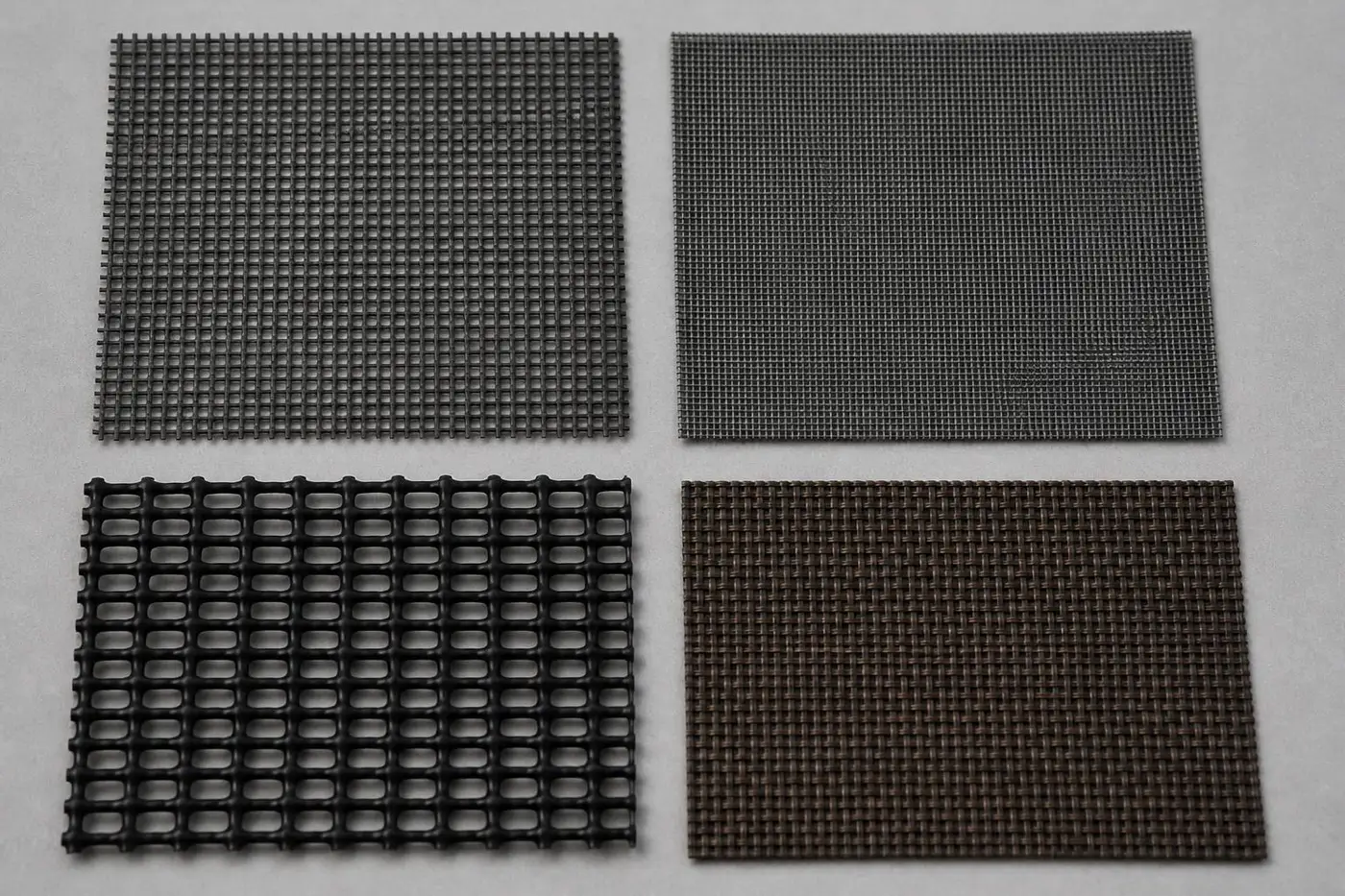
What pool cage reinforcement includes
Reinforcement work can involve adding diagonal or cross-bracing at tall corners and gable ends, sistering or replacing a flexing roof beam, upgrading base anchors and tapcons where the cage meets the pool deck, and swapping corroded fasteners for stainless steel throughout the frame.
Why Jacksonville pool cages need this attention
Pool cages here deal with a combination of stresses that inland structures do not: constant humidity off the pool surface, direct sun exposure that heat-cycles aluminum joints, and, for beachside and Intracoastal properties, salt air that speeds up corrosion at anchor points and fasteners. Florida Building Code wind load standards have also tightened over the years, so a cage built decades ago may be under-braced by today's expectations.
Signs a pool cage needs reinforcement
Panels that visibly move or bow in a moderate breeze, a roof ridge that flexes when you look up at it during wind, screws backing out of base plates, and any visible rust streaking down from anchor points are all signs worth addressing before storm season rather than after.
Bowing screen panels
Panels that flex noticeably in wind, often a sign of under-braced framing at that span.
Corroded base anchors
Rust staining or loose tapcons at the footer where the cage meets the deck.
Flexing roof ridge
Movement in the main roof beam under wind or when walked near underneath.
Reinforcement or full rebuild
If the frame's aluminum is in good shape and the weak points are isolated, anchors, a few beams, some fasteners, reinforcement solves the problem at a fraction of rebuild cost. If corrosion has worked through multiple structural members, or the cage was undersized for its footprint from the start, a section replacement or full rebuild becomes the more dependable option.
We also look closely at where the pool cage ties into the house structure itself, since a ledger connection that has loosened over the years can transmit movement into the rest of the frame even if every individual panel looks fine on its own, and that connection is often overlooked until reinforcement work brings it to light.
Materials and hardware used
We match reinforcement bracing to the existing frame's aluminum gauge so the added structure works with the original rather than overloading one section unevenly. Stainless steel anchors and self-tapping screws replace corroded coated hardware at the points that matter most, and additional beam support or super gutter reinforcement is added where roof spans are long.
How the process works
We walk the cage checking anchor tightness, corrosion at fasteners, and beam deflection under light pressure, then map out which panels or points need bracing versus hardware replacement alone. Reinforcement is installed section by section, with everything checked for a tight, square fit and no added stress on adjacent panels before we call the job finished.
Pool cages with tall gable ends over the pool's deep end typically need more bracing attention than lower hip-roof designs, simply because of the added surface area catching wind at height.
Planning for cost
Cost depends on how many panels and anchor points need work, the height and span of the cage, and how easily we can access those areas around pool equipment and decking. Anchor and fastener upgrades alone cost far less than bracing an entire roof structure, so scope drives the estimate more than the size of the pool cage itself.
If your pool cage has been through a named storm without major damage, it is still worth a post-storm check, since anchors and joints can loosen from repeated flexing even when nothing visibly breaks.
Once reinforcement work wraps up, a simple annual walk-around before hurricane season, checking anchor tightness and looking for new rust streaks, helps keep the cage in the condition the reinforcement was meant to achieve for years rather than one season. If your cage sits close to a seawall or dock, added corrosion checks on nearby anchors are worth including in the same reinforcement visit.
When a Pool Cage Specifically Needs Strengthening
Pool cages carry loads that patio enclosures don't. They're tall, they enclose a large uninterrupted volume, and the screen acts like a sail across spans that can run 30 feet or more without a wall behind them. That geometry is why reinforcement questions come up on pool cages far more often than on screened porches.
Homeowners call after they've watched the cage flex during a storm, after a mansard section shifted, after a hurricane took panels out of the same upper bays twice, or before hurricane season on a cage they inherited and don't trust. If you have a screen enclosure attached to the house on one side and standing free on three, the free side is almost always where the work is needed.
Structural Elements Addressed on a Cage
Work concentrates on the elements unique to cage geometry: the top chord and mansard knuckles where the roof slope meets the wall, the tall corner uprights that take the most racking, the beam that spans the widest opening, and the deck anchors along the free-standing runs. We add uprights to break up long spans, install structural brackets and stainless through-fasteners at knuckles, upgrade tapcons or add wedge anchors at the slab, and brace the house attachment where the cage ties into fascia or block.
The defects that prompt this are visible daylight gaps opening at knuckle joints under load, uprights that can be pushed several inches by hand, cracked or spalled concrete around existing anchors, and prior repairs made with sheet-metal screws where structural hardware belonged.
Cost Drivers on Cage Reinforcement
Height is the first factor - a 12-foot cage takes more staging and slower work than a low patio frame. The second is anchor condition: sound concrete takes new anchors quickly, while spalled or thin deck edges need epoxy anchors or a different anchoring strategy, which costs more. The third is how many bays get new uprights, since each one means extrusion, hardware, and rescreening that bay.
Pairing reinforcement with a scheduled rescreen is the cheapest way to do it, because the panels in the affected bays have to come out either way. We price it bay by bay so you can see exactly what each addition buys.
Keep Reading
Related services to compare
Fix it first: Pool Cage Repair
Targeted fixes for torn screen, damaged panels, doors, frames, hardware, and storm damage.
Pool Cage Rescreening for worn screen
Fresh mesh across a panel, a wall, or an entire pool cage, with the screen type matched to how you use the space.
Planning Pool Cage Installation
New pool cages, pool enclosures, lanais, screened patios, screen rooms, and custom aluminum structures.
When repair is done: Pool Cage Replacement
Full replacements and rebuilds when an aging or storm-damaged enclosure is past practical repair.
Pool Cage Screen Repair in Jacksonville
Targeted fixes for torn screen, damaged panels, doors, frames, hardware, and storm damage.
Repair option: Pool Cage Frame Repair
Targeted fixes for torn screen, damaged panels, doors, frames, hardware, and storm damage.
Local Coverage
Pool Cage Reinforcement across the Jacksonville area
Pool Cage Reinforcement in St. Johns
Pool Cage Reinforcement in Fruit Cove
Pool Cage Reinforcement in Julington Creek
Pool Cage Reinforcement in Mandarin
Pool Cage Reinforcement in Ponte Vedra Beach
Pool Cage Reinforcement in Nocatee
Pool Cage Reinforcement in Jacksonville Beach
Pool Cage Reinforcement in Orange Park
Pool Cage Reinforcement in St. Augustine
Pool Cage Reinforcement in Atlantic Beach
Pool Cage Reinforcement in Neptune Beach
Pool Cage Reinforcement in World Golf Village
Pool Cage Reinforcement in Green Cove Springs
Pool Cage Reinforcement in Middleburg
Pool Cage Reinforcement in Fleming Island
Pool Cage Reinforcement in Rivertown
FAQ
Pool Cage Reinforcement questions
Do I need reinforcement or a whole new pool cage?+
If the core frame is sound and the issues are isolated to a few beams or anchors, reinforcement is usually the more economical choice.
Will reinforcement stop my panels from bowing in wind?+
Adding bracing at the right points reduces panel flex significantly, though the exact fix depends on why that panel is under-braced.
How urgent is reinforcement before hurricane season?+
If you see bowing panels, flexing beams, or corroded anchors, addressing it before storm season is safer than waiting.
Do you use stainless steel hardware for pool cage anchors?+
Yes, we upgrade to stainless anchors and fasteners at key points, especially useful for cages near the coast.
How long does pool cage reinforcement take?+
A handful of anchor and beam fixes can be done in a day, while more extensive bracing across the whole cage takes longer.
Call (904) 853-3510 for a free estimate on pool cage reinforcement in Jacksonville.
Request an estimate